Angola's Ports at a Glance: Luanda, Lobito, Soyo and Beyond
Angola has one of the longest coastlines in West Africa, and its ports reflect very different trades: containers and general cargo in the north, minerals and project cargo in the centre, and oil and gas logistics almost everywhere. If you are planning calls along the Angolan coast, here is a quick orientation to the ports you are most likely to encounter.
Port of Luanda
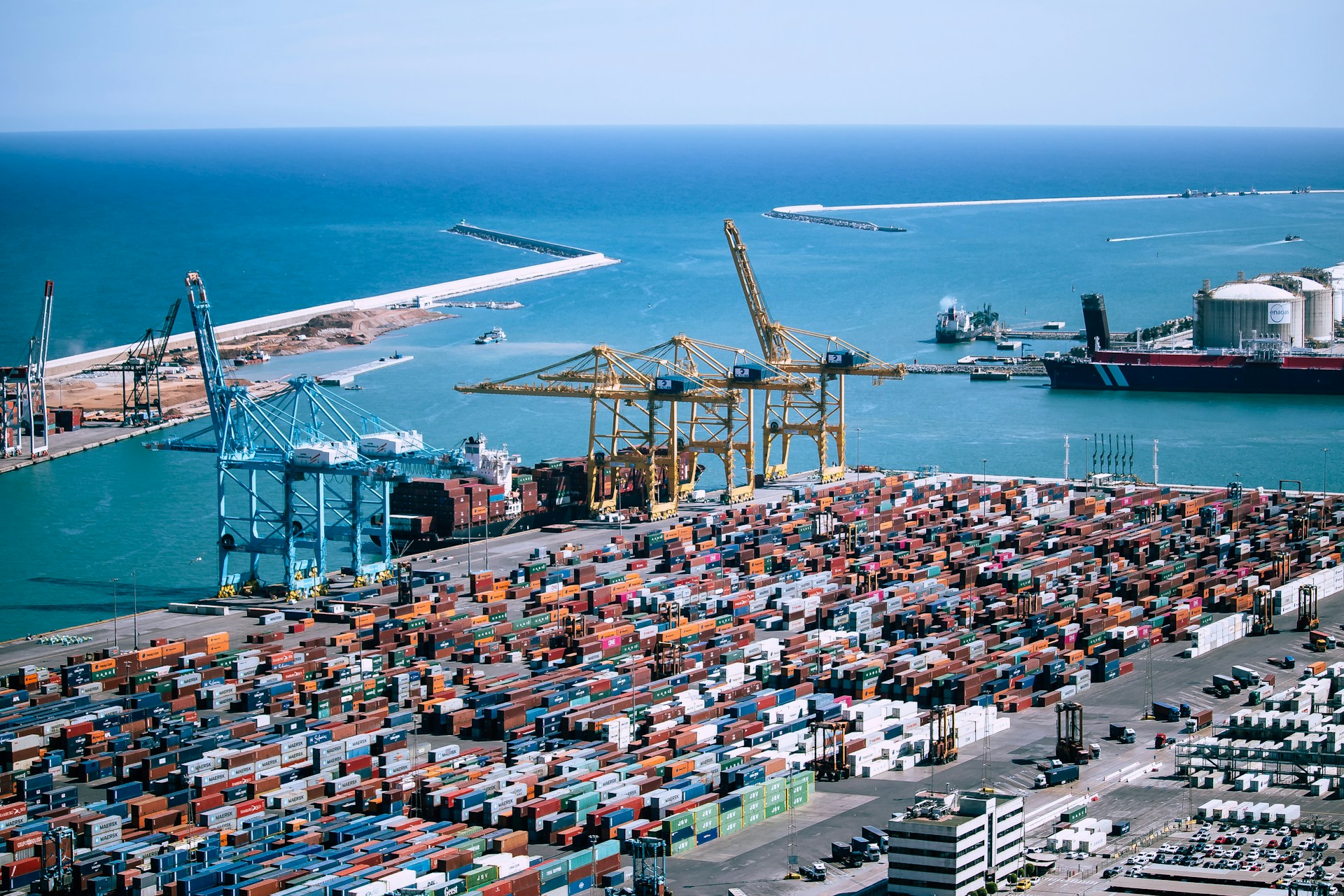
Luanda is Angola's principal gateway, handling the bulk of the country's containerised imports. It has dedicated terminals for containers, general cargo, bulk and tankers, and it is usually the busiest and most complex port to navigate administratively simply because of the volume passing through it.
Port of Lobito
Lobito sits at the Atlantic end of the Lobito Corridor, a rail route that increasingly connects Angola's coast to mineral production further inland. Expect ro-ro, general cargo and mineral traffic here, alongside a growing project cargo trade tied to corridor development.
Port of Soyo
At the mouth of the Congo River, Soyo is built around the oil and gas industry, anchored by the Kwanda logistics base and the Angola LNG terminal. If your vessel is supporting an offshore project in the north, Soyo is likely to be part of your logistics chain.
Cabinda and the Malongo terminal
Cabinda is the centre of Angola's northern offshore oil production. Much of the cargo activity here happens at anchorage rather than alongside a quay, and vessels calling Malongo are typically supporting crude and LPG export operations via offshore moorings.
Namibe and Porto Amboim
Further south, Namibe is a deep-water port serving fishing, minerals and general cargo, while Porto Amboim has developed into a hub for offshore fabrication and energy sector support along the Kwanza South coast.
Why coverage matters more than it seems
Because Angola's ports serve such different trades, it is tempting to think you need a different specialist agent for each one. In practice, the opposite is usually more efficient: a single agent with genuine national coverage, rather than a network of loosely connected sub-agents, gives you one point of accountability regardless of which port your vessel calls. That consistency tends to matter more once something goes slightly wrong, which, in shipping, it eventually does.
Latest Blog
Angola's Ports at a Glance: Luanda, Lobito, Soyo a...
Angola has one of the longest coastlines in West Africa, and its ports reflect very different trades...
Crew Changes in Angola: Why Owning the Launch Boat...
Ask any owner who has managed a crew change at anchorage in West Africa, and they will tell you the...
Why Offshore Operators in Angola Need a Husbandry...
FPSOs, drilling units and offshore support vessels rarely touch a quay. They sit on station for mont...
How Ship Agency Works in Angola: A Practical Guide...
If you have never called an Angolan port before, the process can feel opaque. Who do you nominate? W...